If you’re drawn to sleek towers, bay views, and a front-row seat to San Francisco’s waterfront, South Beach probably already has your attention. But living in a high-rise here is about more than the view. You need to know how the neighborhood works day to day, what ownership really involves, and where the trade-offs show up. This guide will help you understand what to expect before you buy. Let’s dive in.
South Beach high-rise living at a glance
South Beach is a modern waterfront neighborhood shaped by high-density residential planning near the Bay Bridge, Bryant Street, the Embarcadero, and 2nd Street. City planning guidance for the district supports residential towers, active street fronts, and supporting commercial uses, which helps explain the area’s vertical, urban feel.
The neighborhood also carries a distinct waterfront identity. According to the Port, this part of the city evolved from a heavy industrial maritime area into a lively residential district connected by parks, open space, and the ballpark. That mix gives South Beach a polished, residential feel while keeping you close to downtown.
What the building experience feels like
In South Beach, many homes are in high-rise or mid-rise condominium buildings rather than smaller owner-occupied properties. That often means shared entrances, elevators, common areas, and a more structured ownership experience than you might find in a lower-rise neighborhood.
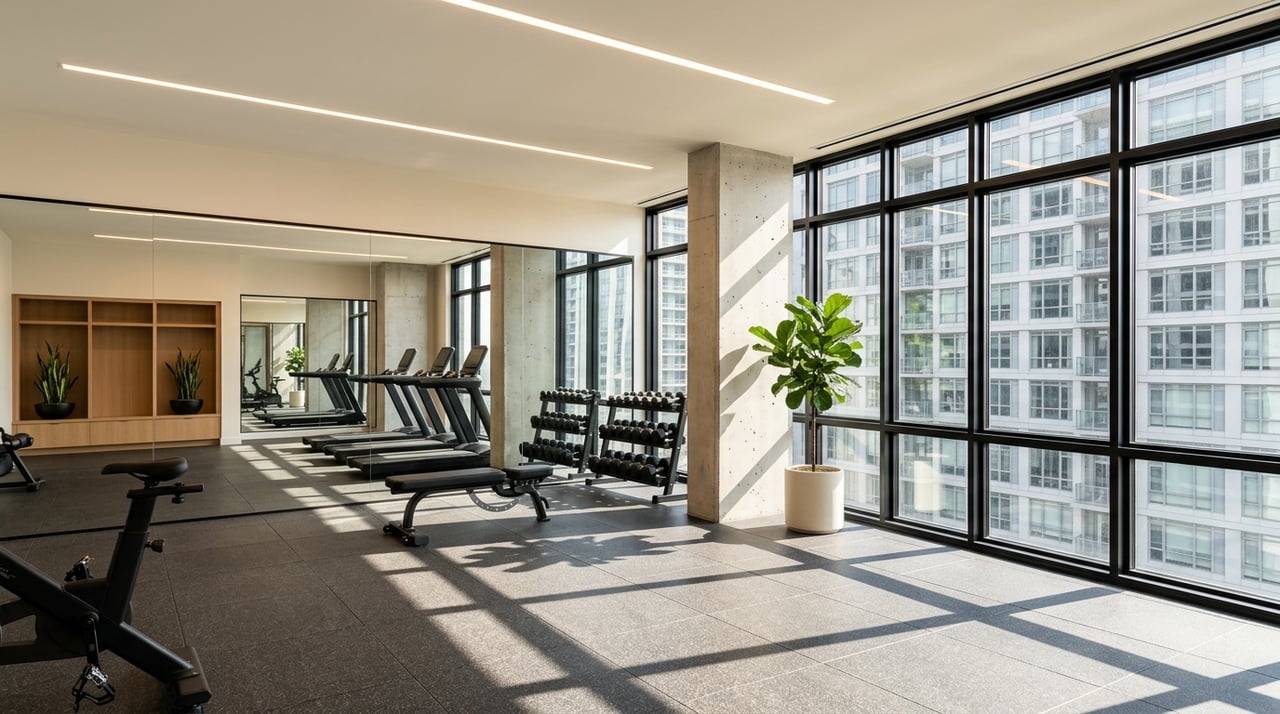
You may also see buildings marketed with amenity-rich lifestyles, but it is important to verify features building by building. Concierge desks, fitness spaces, or roof decks may be common in the neighborhood image, but they should never be assumed based on area alone.
Shared spaces are part of daily life
When you live in a high-rise, your home experience extends beyond your front door. Lobbies, hallways, package areas, parking access, and building policies all play a role in how convenient and comfortable the property feels.
That is why two condos with similar square footage can live very differently. A well-run building, clear rules, and solid maintenance can have a real impact on your day-to-day experience.
Why South Beach feels so walkable
One of the biggest lifestyle advantages in South Beach is the waterfront setting. The Embarcadero Promenade runs from Fisherman’s Wharf to Oracle Park and is part of the San Francisco Bay Trail, creating a relatively flat and connected route for walking and biking.
Compared with many hillier San Francisco neighborhoods, South Beach can feel easier to navigate on foot. If you like morning walks, bike rides, or quick access to waterfront open space, that can be a major quality-of-life benefit.
Parks and open space nearby
South Beach Harbor Park adds another layer to the neighborhood’s appeal. The park includes Bay Trail frontage, about 42,000 square feet of lawn, a children’s playground, accessible restrooms, picnic areas, and bike racks.
The Port also describes South Beach Harbor and Park as a community resource tied to recreational boating and non-motorized water access. In practical terms, that gives the neighborhood a more open and active waterfront character than many dense urban areas.
Easy access to the waterfront core
Living here also puts you near some of the city’s best-known waterfront destinations. The Ferry Building is a major nearby anchor with nearly 50 local food merchants, restaurants, and small eateries, and it is accessible by Muni, BART, and ferry.
That means your routine can include quick food runs, casual meetups, and long waterfront walks without needing to get in the car. For many buyers, that convenience is a big part of the South Beach draw.
Transit access is a real advantage
South Beach works well for people who want strong regional access. The Port lists nearby transit connections including Muni at 2nd Street and King Street, BART at Embarcadero Station, and Caltrain at San Francisco near Oracle Park.
That gives you multiple ways to move through the city and beyond it. Whether you commute regularly or just want flexible transportation options, the neighborhood is well connected.
Driving is not always the easiest option
Even if your building includes parking, South Beach is not always a drive-first neighborhood. Transit, walking, biking, and rideshare can often feel simpler, especially when the area is busy.
That is especially true because of the neighborhood’s event adjacency. Oracle Park brings energy and convenience, but it also changes traffic patterns on major event days.
Game days and event traffic are part of the deal
If you buy in South Beach, you should expect some event-day impact. SFMTA says major events with more than 10,000 attendees create heavy traffic in surrounding neighborhoods, and the Port advises using public transit, rideshare, or other alternatives, especially on game days.
This does not mean the neighborhood becomes unlivable. It does mean you should go in with clear expectations about congestion, curb activity, and parking pressure at certain times.
What that means for your routine
For some buyers, event energy is a plus. You may enjoy the buzz, the crowd, and the feeling of living near one of the city’s most active waterfront destinations.
For others, the best strategy is planning around it. If you prefer a calmer rhythm, you will want to understand how often events affect your specific block, building access, and driving habits.
HOA ownership in South Beach explained
Most South Beach high-rises function as common-interest developments. That means you should expect homeowner association governance, monthly dues, shared common areas, and building rules set through CC&Rs and board oversight.
The California Attorney General explains that HOAs are generally run by a homeowner-elected board, while the California Department of Real Estate notes that boards handle budgets, common-area maintenance, insurance, and dues. In a high-rise setting, that structure is a core part of ownership.
What to review before you buy
A condo purchase here is not just about the unit. You also need to evaluate the health and management of the building itself.
Before making an offer, review items such as:
- HOA budget
- Reserve funding
- CC&Rs
- Recent board meeting minutes
- History of special assessments or pending assessments
- Building-specific amenity details
This review can help you understand both monthly costs and longer-term financial exposure. It can also reveal how proactive the building has been about maintenance and planning.
The main trade-off: convenience and structure
South Beach offers a strong combination of waterfront access, modern housing, and transit connectivity. For many buyers, that is exactly the lifestyle they want.
The trade-off is that high-rise ownership usually comes with more structure than a smaller building or lower-rise neighborhood. HOA rules, dues, shared decision-making, and event-day realities are all part of the package.
Waterfront ownership includes long-term planning
There is another factor worth knowing if you are thinking long term. The Port’s South Beach Coastal Resilience Project shows that resilience work is actively moving forward along the Embarcadero between Harrison and Townsend Streets.
That does not change the neighborhood’s appeal, but it does add context. In a waterfront district like South Beach, seawall, wharf, and adaptation projects are part of the long-range backdrop of ownership.
Who tends to enjoy South Beach most
South Beach often appeals to buyers who value a lock-and-leave lifestyle, modern buildings, and strong access to downtown and regional transit. It can also be a good fit if you want open waterfront routes for walking or biking and prefer a more polished residential setting near the urban core.
At the same time, the neighborhood may feel less ideal if you want a more low-key street pattern, fewer shared-building rules, or less event-related activity nearby. The key is matching the neighborhood’s strengths and trade-offs to how you actually live.
If you are weighing South Beach against other central San Francisco condo options, the smartest move is to compare not just unit finishes and views, but also building governance, monthly carrying costs, transit convenience, and event-day conditions. That is where the right purchase decision usually becomes clear.
If you want help evaluating South Beach condos with a sharper eye on building quality, ownership costs, and long-term fit, schedule a private consultation with Brendon Kearney.
FAQs
What is it like to live in a South Beach high-rise in San Francisco?
- You can expect a modern condo lifestyle with shared building spaces, strong waterfront access, and convenient transit connections, along with HOA rules, monthly dues, and some event-day traffic.
How walkable is South Beach for daily living?
- South Beach is relatively walkable and bike-friendly because of its flat waterfront setting, the Embarcadero Promenade, Bay Trail access, and nearby parks and destinations like the Ferry Building.
How much do game days affect South Beach residents?
- Major events near Oracle Park can create noticeable traffic and parking pressure, so many residents rely on transit, rideshare, walking, or biking during busy event times.
What does HOA ownership mean in a South Beach condo building?
- HOA ownership usually means you share responsibility for common areas through monthly dues and are subject to building rules, budgets, insurance structures, and possible special assessments.
Are amenities standard in all South Beach high-rise buildings?
- No. Some buildings may offer features such as concierge service or fitness areas, but you should verify every amenity directly for the specific building you are considering.
What should buyers review before purchasing a South Beach condo?
- You should review the HOA budget, reserve funding, CC&Rs, recent meeting minutes, assessment history, and any building-specific details that affect monthly costs or long-term ownership.