Looking for a San Francisco neighborhood with sunlight, charm, and an easy daily rhythm? If you want a walkable main street, classic architecture, and access to parks and transit, Noe Valley might be a great fit. In this guide, you will learn how the housing stock compares, what daily life feels like, and how to think about transit, schools, and the local market. Let’s dive in.
Why Noe Valley Works for You
Noe Valley sits in a compact residential valley south of the Castro and north of the Mission’s western edge. You get a village vibe anchored by 24th Street’s cafes, shops, and services, plus tree-lined side streets with classic Victorian and Edwardian homes. The neighborhood is known locally for a relatively sunny microclimate, which can make afternoons feel warmer than many western parts of the city. If you value walkability, small-business energy, and a quieter residential feel, this area delivers.
You will find a strong mix of families and professionals who prioritize K–8 options, local parks, and everyday convenience. The neighborhood’s core identity centers on community life along 24th Street, with quieter blocks fanning out to the south and west. Closer to Market and Castro, the feel gets more urban and transit-connected. Toward Douglass and 30th Street, it becomes calmer and more residential.
Housing Types and Streets
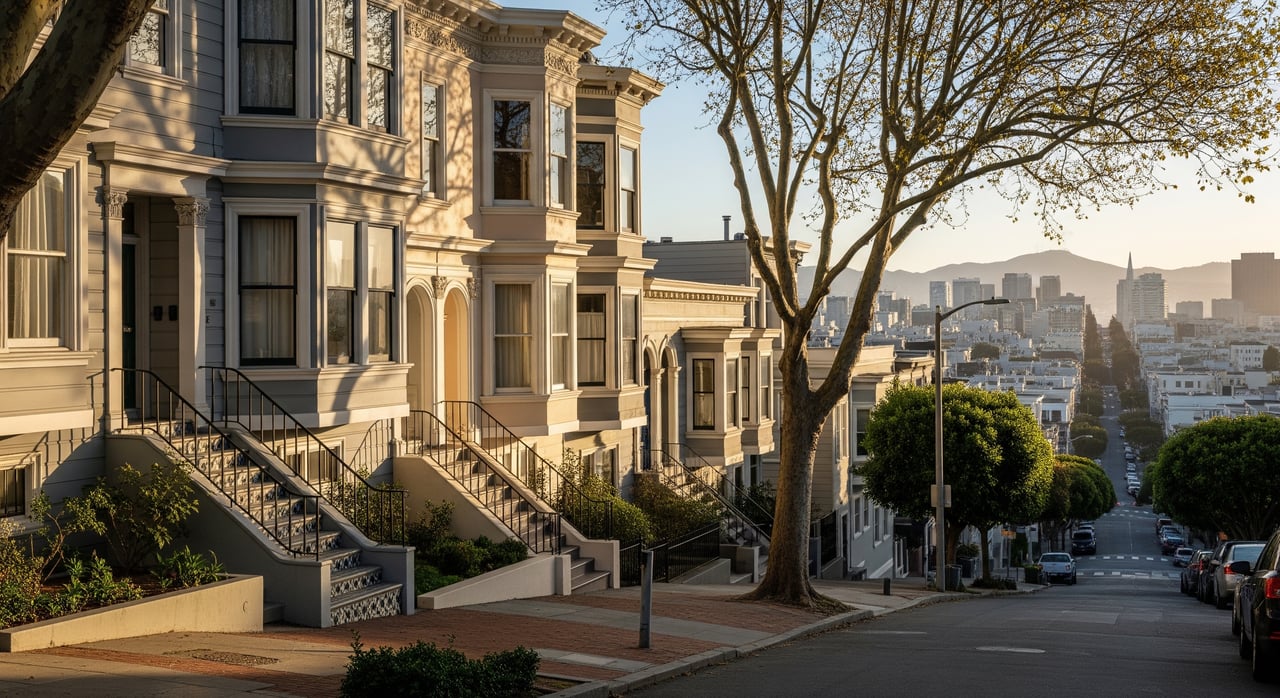
Noe Valley’s housing stock dates from the late 19th and early 20th centuries, with many homes updated inside while retaining historic facades. You will see a blend of single-family houses, 2–6 unit buildings, and low- to mid-rise condominiums near commercial corners.
Single-family homes
Two- and three-story wood-frame Victorian and Edwardian houses are the neighborhood’s signature. Period details, bay windows, and stoops are common. Many have small front gardens and usable rear yards, plus garage or basement spaces that vary block to block. Buyers often modernize kitchens and systems while preserving exterior character.
Condos and small multi-units
Smaller walk-up buildings with 2–6 units are common on cross streets and near transit corridors. Along commercial spines and intersections, you will find mixed-use or mid-rise condo buildings that can offer a lower entry price than single-family homes. Condos often trade maintenance for HOA fees and rules, so review budgets, reserves, and any special assessments.
Modern infill and conversions
You may also see newer infill, garage or backyard conversions, and contemporary additions. These projects add functionality and can maximize usable space on modest lots. Scope and cost are shaped by local planning rules and, for older structures, historic context.
Street character to expect
- 24th Street: Main retail spine with a daily rhythm of cafes, independent shops, and essential services.
- North and northeast edges: Closer to Market and Castro, more urban energy and stronger transit connections.
- South and west near Douglass and 30th: Quieter, more residential blocks.
- Upper vs. lower elevations: Sun and wind can vary by slope and exposure, with sheltered valley streets often feeling warmer.
What You Will Love vs. What to Weigh
You might love:
- A sunny microclimate relative to many western neighborhoods.
- Walkability to errands, dining, and services along 24th Street.
- Period architecture with modernized interiors.
- A strong everyday neighborhood identity.
Keep in mind:
- Older homes may need seismic upgrades and system updates.
- Lot sizes and setbacks are modest, so outdoor space can be compact.
- Condos include HOA fees and rules that shape maintenance and improvements.
- Street parking is regulated and can be tight on popular blocks.
Microclimate and Everyday Life
Noe Valley sits in a sheltered valley, which can reduce wind and allow more afternoon warmth. South- and west-facing slopes often get more sun. Mornings can bring light fog that burns off by the afternoon on many days. This climate supports an active street life, with residents walking 24th Street for daily errands and casual dining.
Most essentials are within a short walk, and larger supermarkets or specialty stores are a short drive or transit ride away in adjacent corridors. You will also find clinics, dentists, and pediatric offices in and around the area. Childcare centers, preschools, and after-school programs are common, though availability often requires advance planning.
Parks and Green Space
Noe Valley offers several small parks and playgrounds that serve families and dog owners, with larger regional parks close by. You can reach beloved city destinations with short drives or bike rides. Nearby options include Dolores Park to the north and northeast, plus open-space trails and skyline views at Twin Peaks and Corona Heights. For specific park facilities, consult San Francisco Recreation and Parks Department resources.
Getting Around and Parking
Transit options
Surface transit serves the neighborhood, including the J Church light rail on Church Street connecting to Market Street. Bus routes provide additional north–south and east–west links within the city. For regional travel, the 24th Street Mission BART station is the closest option for many residents, reached by a walk, a short bus ride, or a quick drive depending on your address. Walkability and bikeability are strong, with bike-friendly streets connecting to nearby corridors.
Driving and freeway access
Driving access to Market Street is straightforward and connections to US‑101 and I‑280 are nearby via surface streets. Commute times vary by departure time and route, especially at peak hours. Many residents mix modes, using Muni and BART for downtown or East Bay trips, and driving for Peninsula commutes.
Parking basics
Street parking can be limited in popular zones, and many blocks fall within Residential Parking Permit areas. Single-family homes often include garages or driveways, while condo buildings may have assigned spots or rely on street parking. If you are a buyer, verify garage capacity, ceiling height, and storage use during inspections. If you are a new resident, review SFMTA rules for time limits and permit eligibility.
Schools and Childcare Basics
Noe Valley is served by San Francisco Unified School District, and families often focus on K–8 options. Enrollment boundaries and policies change, so check current SFUSD maps and timelines. Many families consider a mix of SFUSD schools and private or parochial options in nearby neighborhoods. For childcare and enrichment, plan ahead, since waitlists can form for popular programs.
Real Estate Market Snapshot
Demand for Noe Valley single-family homes is historically strong, and inventory can be limited compared with interest from buyers who want family-sized layouts and walkable amenities. Classic Victorian and Edwardian houses tend to command higher prices, while condos and small multi-units provide more accessible entry points. Condition, block, and sun exposure often influence value.
Many purchases include plans for modernization. Typical updates include kitchen and bath remodels, energy system upgrades, and seismic retrofits for older homes. Scope and cost can be affected by permitting, historical context, and structural conditions. For condos, review HOA financials, reserve studies, and any litigation or special assessments before committing.
If you are thinking about rental strategy, demand is solid, but San Francisco’s rental regulations, rent control, and eviction protections are important. Consult the San Francisco Rent Board or a housing attorney before making investment decisions. Property taxes follow California’s Prop 13 framework with parcel-specific assessments. For accurate parcel data or assessed values, use the San Francisco Assessor-Recorder office.
Buyer Tips That Pay Off
- Clarify must-haves vs. nice-to-haves: yard size, garage usability, natural light, and proximity to 24th Street or transit.
- Inspect for seismic and system upgrades: foundation, soft-story reinforcement, electrical capacity, and roof condition.
- Study micro-location: compare quieter south and west blocks with busier north edges near Market and Castro to match your lifestyle.
- Model ongoing costs: include HOA dues for condos, expected maintenance for older homes, and potential retrofit budgets.
- Test commute options: sample Muni, BART, and driving routes during your typical schedule.
Seller Tips for Premium Outcomes
- Prepare with intention: cosmetic improvements and staging can leverage the neighborhood’s period charm and natural light.
- Document upgrades: buyers value visible seismic work, system updates, and energy improvements, so gather permits and warranties.
- Position the property: highlight walkability to 24th Street, microclimate benefits, and usable yard or deck spaces.
Is Noe Valley Right for You?
If you want walkable convenience, a sunny pocket of the city, and classic San Francisco architecture, Noe Valley deserves a close look. You will trade larger suburban lots for a vibrant village feel and quick access to parks and transit. With the right plan, you can navigate historic housing stock, parking rules, and school timelines with confidence.
If you are weighing a purchase or planning a sale, get tailored advice on preparation, pricing, and timing. Schedule a private consultation with Brendon Kearney to map your next steps with clarity and confidence.
FAQs
How sunny is Noe Valley compared to other SF areas?
- Noe Valley is often sunnier and less foggy than many western neighborhoods due to its sheltered valley setting and south- and west-facing slopes that capture more afternoon sun.
What transit options serve Noe Valley residents?
- The J Church light rail runs on Church Street to Market Street, buses provide local links, and many residents use the 24th Street Mission BART station via a short walk, bus ride, or drive.
What home types are common in Noe Valley?
- You will find Victorian and Edwardian single-family homes, 2–6 unit walk-ups, and low- to mid-rise condos near commercial corridors, plus some modern infill and conversions.
How does parking work in Noe Valley?
- Many blocks are in Residential Parking Permit zones, single-family homes may have garages or driveways, and condo buildings can offer assigned parking or rely on street parking.
Are there parks near Noe Valley homes?
- Yes. Small neighborhood parks and playgrounds are nearby, and larger destinations like Dolores Park, Twin Peaks, and Corona Heights are a short drive or bike ride away.
What should buyers watch for in older homes?
- Plan to evaluate seismic retrofits, foundation and structural elements, electrical capacity, roof condition, and any needed system updates before finalizing your purchase.