Looking for a San Francisco neighborhood where you can live with less car hassle and more day-to-day convenience? Mission Dolores stands out because it combines historic residential streets, one of the city’s best-known parks, and fast access to busy dining, shopping, and transit corridors. If you want to understand what daily life here really feels like, this guide will walk you through the neighborhood’s layout, housing, transit, and lifestyle tradeoffs. Let’s dive in.
Why Mission Dolores Feels So Walkable
Mission Dolores is a historic residential pocket within the larger Mission District. San Francisco Planning materials describe it as a compact, pedestrian-scaled area shaped by early streetcar development, which helps explain its tight block pattern and easy on-foot feel.
That history still shows up in how the neighborhood works today. Streets are lined with closely spaced buildings, regular intersections, and a mix of homes and small storefronts that support a walkable routine. Instead of feeling spread out, the area feels connected and efficient.
Another reason the neighborhood reads as walkable is its central location. You are close to Dolores Park, near major Mission corridors, and within reach of BART and several Muni lines. For many residents, that means daily errands, meetups, and commutes can happen without building the day around parking.
Dolores Park Anchors Daily Life
Dolores Park is the neighborhood’s signature open space, and it shapes the rhythm of the area in a big way. According to San Francisco Recreation and Parks, the park is nearly 16 acres and includes lawns, a soccer field, six tennis courts, a basketball court, a multi-use court, a playground, and two off-leash dog areas.
The park is bounded by Church, Dolores, 18th, and 20th streets, which places it right at the center of neighborhood life. Whether you want a place to walk the dog, meet friends, stretch out on the lawn, or simply enjoy open sky in a dense part of the city, the park is a major lifestyle asset.
Planning sources also note that the park has served public recreational needs for more than a century. That long history helps explain why Mission Dolores feels both active and rooted. It is not just a nearby amenity. It is part of the neighborhood’s identity.
Food, Cafés, and Nearby Corridors
One of the best things about Mission Dolores is that you get a more residential setting without giving up quick access to some of the city’s busiest commercial streets. The neighborhood itself has a strong housing base, but nearby corridors do a lot of the work when it comes to dining, coffee, shopping, and nightlife.
SF Travel describes Mission Street as the main drag, while Valencia Street is known for cafés, bars, and clothing and accessory shops. It also identifies 20th Street as a trend-focused corridor and 24th Street as a lively street with Latino-owned businesses.
That matters if you want variety within a short walk. You can spend time on a quieter block near the park, then head a few blocks over for dinner, coffee, or errands. In practical terms, Mission Dolores offers a park-centered residential feel with immediate access to the energy of the broader Mission.
Transit Makes Car-Light Living Real
Mission Dolores is one of the San Francisco neighborhoods where car-light living feels realistic, not aspirational. The main regional transit anchor is 16th St. Mission BART at 2000 Mission Street, where BART lists service on four lines.
The station setup supports multiple ways to get around. BART notes that there is no parking at the station, but there are bike racks, 20 free Bikeep smart racks, and a BayWheels station on the southwest plaza. That setup fits the neighborhood’s overall pattern of walking, biking, and transit use.
Muni adds another layer of flexibility. The 14 Mission runs 24 hours daily and serves stops at Mission and 16th, Mission and 18th, and Mission and Valencia, among other nearby points. The J Church runs daily from 5 a.m. to midnight with stops at Church and Market, Church and 16th, and Church and 18th.
The 33 Ashbury/18th Street also supports neighborhood movement, with service from 5 a.m. to 10 p.m. daily and stops at 18th and Church, 18th and Dolores, and 16th and Mission. Additional nearby coverage comes from the 22 Fillmore and the 49 Van Ness/Mission. Together, these lines give you strong options for local trips and citywide connections.
What the Housing Stock Looks Like
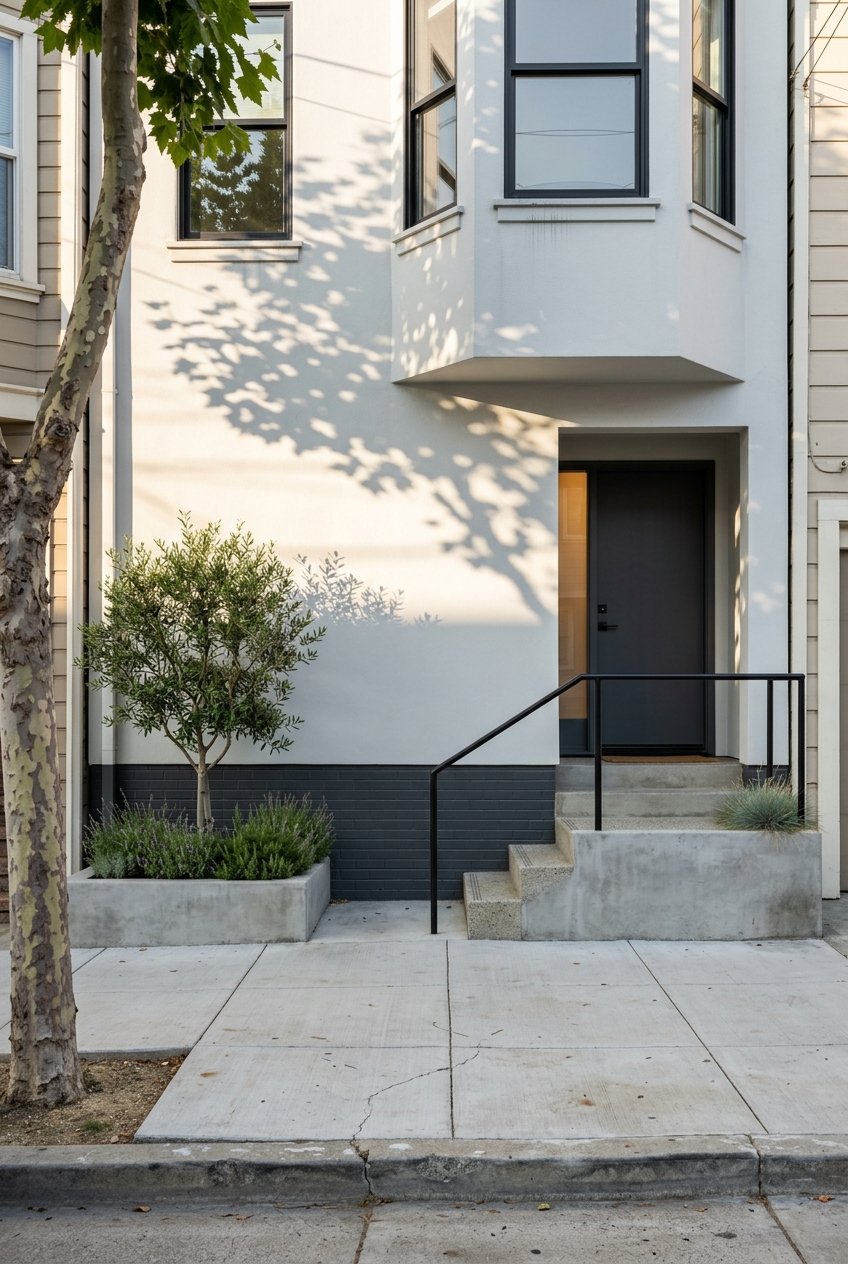
If you are considering buying or renting in Mission Dolores, it helps to know that the housing stock is older and largely multi-unit. Planning materials describe the neighborhood’s visual character as a mix of Victorian, Edwardian, Mission Revival, and Classical Revival buildings, usually two to four stories and closely spaced along tree-lined streets.
Single-family homes are now the exception here. Flats are the most common housing type, and apartment buildings became more important after 1906, especially along major streets and corner lots. You will also find mixed-use corner buildings and small storefronts that remain part of the neighborhood fabric.
This gives the area a distinct feel compared with neighborhoods dominated by detached homes or newer large-scale development. For buyers, it often means evaluating unit layouts, building condition, and block-level character rather than focusing only on lot size or private outdoor space.
Block-by-Block Differences Matter
Mission Dolores is highly central, but not every block lives the same way. In a compact neighborhood like this, a few streets can make a meaningful difference in your day-to-day experience.
Proximity to Dolores Park is one of the biggest lifestyle variables. Some buyers and renters want to be steps from the park for easy recreation and open space access. Others may prefer a little more distance while still staying within an easy walk.
Street activity is another major factor. Buildings closer to Mission Street, Valencia Street, or 16th Street may offer faster access to restaurants, cafés, and transit, while also feeling busier than more interior residential blocks.
Historic context can matter too. The Mission Area Plan ties historic resources to the neighborhood’s human-scale, pedestrian-oriented character and supports rehabilitation and adaptive reuse of older buildings. If a property is a protected historic resource or sits in a preservation-sensitive area, that can shape how you think about updates, maintenance, and long-term value.
Mission Dolores Compared With Nearby Areas
Mission Dolores and the larger Inner Mission are closely connected, and the line between them can feel porous on the ground. Planning records for historic resource work show overlap between the survey areas, which reinforces that this is not a sharply separated environment.
Still, Mission Dolores tends to feel more residential and park-oriented than the broader Inner Mission. You are next to the Mission’s active commercial corridors, but the neighborhood’s identity is more closely tied to historic housing fabric, tree-lined streets, and Dolores Park.
Compared with Hayes Valley, Mission Dolores reads differently as well. Based on official neighborhood descriptions, Hayes Valley is more boutique-led, while Mission Dolores feels more historically layered and defined by preservation, residential character, and park access.
For many buyers, that distinction is useful. If you want central San Francisco living with strong walkability and immediate access to urban activity, but you also want a neighborhood that feels grounded in historic residential streetscape, Mission Dolores deserves a close look.
Who Mission Dolores May Suit Best
Mission Dolores can be a strong fit if you want to build your routine around walking, public transit, and nearby amenities. The combination of park access, older multi-unit housing, and central location appeals to people who value convenience and neighborhood texture over car-dependent living.
It may also suit buyers who appreciate classic San Francisco architecture. With Victorian, Edwardian, Mission Revival, and Classical Revival buildings in the mix, the housing stock offers visual character that can feel very different from more uniform condo districts.
If you are weighing a purchase here, the smartest approach is often highly specific. Instead of asking whether Mission Dolores works for you in general, it is better to ask which blocks, building types, and access points best match your priorities around noise, transit, park access, and daily routine.
Why Local Guidance Helps Here
Mission Dolores is a neighborhood where micro-location matters. A home a few blocks closer to Dolores Park, Valencia, or a major transit stop can offer a meaningfully different lifestyle experience than a home in another part of the same neighborhood.
That is why local insight matters so much when you are buying or preparing to sell. Understanding how buyers respond to specific streets, housing types, and historic context can help you make better decisions about pricing, positioning, and tradeoffs.
If you are thinking about buying or selling in Mission Dolores or another central San Francisco neighborhood, Brendon Kearney offers the local expertise and strategic guidance to help you move with confidence.
FAQs
What makes Mission Dolores walkable in San Francisco?
- Mission Dolores has a compact street pattern, a strong residential core, easy access to Dolores Park, and nearby connections to BART and multiple Muni lines, which supports a daily routine built around walking and transit.
What is Dolores Park like for Mission Dolores residents?
- Dolores Park is nearly 16 acres and includes lawns, sports courts, a playground, and two off-leash dog areas, making it a major part of everyday recreation and neighborhood identity.
What kind of homes are common in Mission Dolores?
- Mission Dolores is known for older multi-unit housing, with flats as the most common type, plus apartment buildings, mixed-use corner buildings, and architecture that includes Victorian, Edwardian, Mission Revival, and Classical Revival styles.
How does Mission Dolores compare with the Inner Mission?
- Mission Dolores generally feels more residential and park-oriented, while still sitting next to the Inner Mission’s busier dining, retail, and nightlife corridors.
How does Mission Dolores compare with Hayes Valley?
- Mission Dolores is generally more defined by historic housing fabric, preservation context, and park access, while Hayes Valley is described more as a boutique-led neighborhood.
What should buyers pay attention to in Mission Dolores?
- Buyers should look closely at block-by-block differences such as street noise, distance to Dolores Park, access to Mission and Valencia activity, transit convenience, and whether a building is in a preservation-sensitive area.